Blog/ 2026-10-19
How to calibrate a water truck application rate for haul road dust control
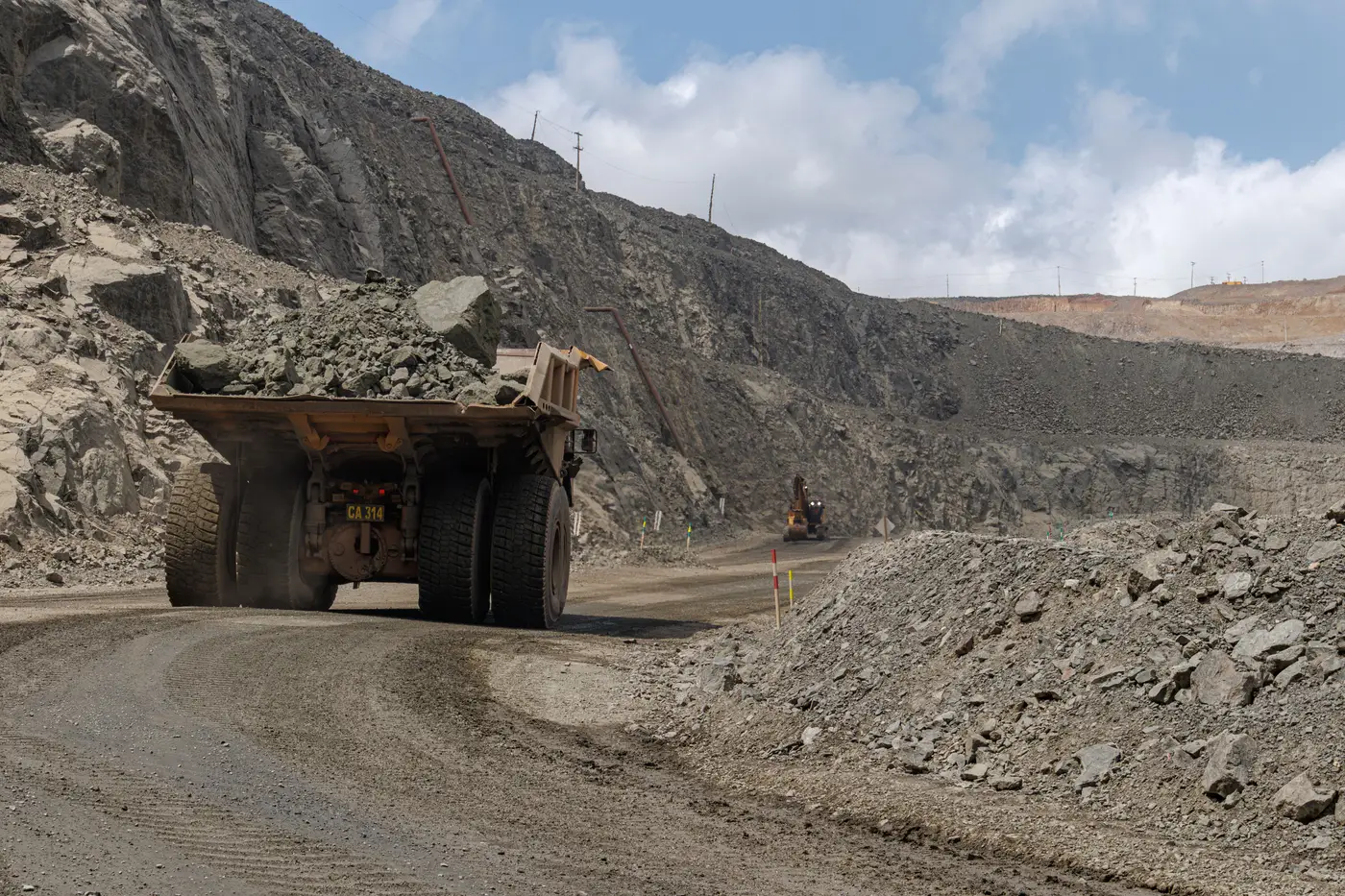
Most sites still set water truck application rates by eye. The operator runs the same spray pattern every shift, maybe bumps it up when the pit road looks chalky, and nobody has run the numbers since the truck was new. That works fine until a complaint comes in or an inspector asks why the haul road was visibly dusting at 2pm on a Tuesday. Calibrating the application rate properly takes an afternoon and saves you from guessing in front of a regulator.
Working out gallons per mile
Start with road width, not truck capacity. A standard haul road running 20-25m wide for dual-lane traffic needs more water per linear foot than a narrow single-lane access track, and most calibration mistakes come from applying a blanket rate across road segments that aren't the same width.
The working formula is:
Gallons per mile = road width (ft) × 1 mile (5,280 ft) × target application depth (inches, converted to feet) × 7.48 gallons/cubic foot
For a 60-foot-wide haul road targeting a 0.02-inch application depth (a common starting point for arid-climate control), that's roughly 60 × 5,280 × 0.00167 × 7.48 ≈ 3,950 gallons per mile. That number moves fast with small changes in target depth, which is why a lot of sites round to "about 4,000 gallons" and then wonder why dusting persists on the steeper grades where runoff and evaporation eat into that figure faster.
Run the math per segment, not per road. A haul road climbing out of a pit floor will need a different target depth than the flat section running to the crusher, because grade, traffic frequency, and sun exposure aren't uniform. Most EHS teams that get this wrong are applying a single site-wide number that was calibrated once, years ago, on a road that's since been widened or rerouted.
Cycle time: how many trucks you actually need
Once you know gallons per mile for each segment, cycle time tells you whether your fleet can hit it. Cycle time is tank fill time, plus travel time to the segment, plus spray time, plus travel back to the water source. A 4,000-gallon truck spraying a mile of haul road at a reasonable ground speed burns through its tank fast, and if the fill point is a mile from the road, you're losing coverage window to travel.
Work backward from how long dust suppression holds. In hot, windy conditions, a sprayed section can be back to dry within 45-90 minutes depending on traffic density. If your truck's full cycle (fill, travel, spray, return) takes 60 minutes, you're applying water almost as fast as it evaporates and you need a second truck covering the gap, not a bigger tank on the same truck. This is the number most dust control plans skip entirely: they size the fleet to total road mileage without checking whether the cycle time matches the evaporation window for that segment.
A rough benchmark worth running on your own site: count how many water truck passes per shift each haul road segment currently gets, then compare that against how often visible dust shows up in daily inspection logs or complaint timestamps for that same segment. If dust events cluster in the two hours before a truck's scheduled pass, your cycle time is the problem, not your gallons per mile.
When calibration isn't enough
Getting the application rate right cuts the frequency of dust events, but it doesn't give you a record of where a specific plume came from when a complaint lands on your desk. A ground log that says "water truck was on that road at 1pm" doesn't answer a regulator asking where the dust observed from the public road originated, a haul road, the crusher, or an exposed stockpile sitting fifty yards away.
That's the gap a single satellite pass over the site at the time in question can close: a plume-extent layer tagged to the source, not a log entry describing where someone thinks the water truck was. Fugitive Dust Map turns that pass into a marked-up image and shapefile you can hand straight to the file.
If your calibration numbers are solid but you still need something to show where the last event started, that's worth a look.