Blog
2026-11-23
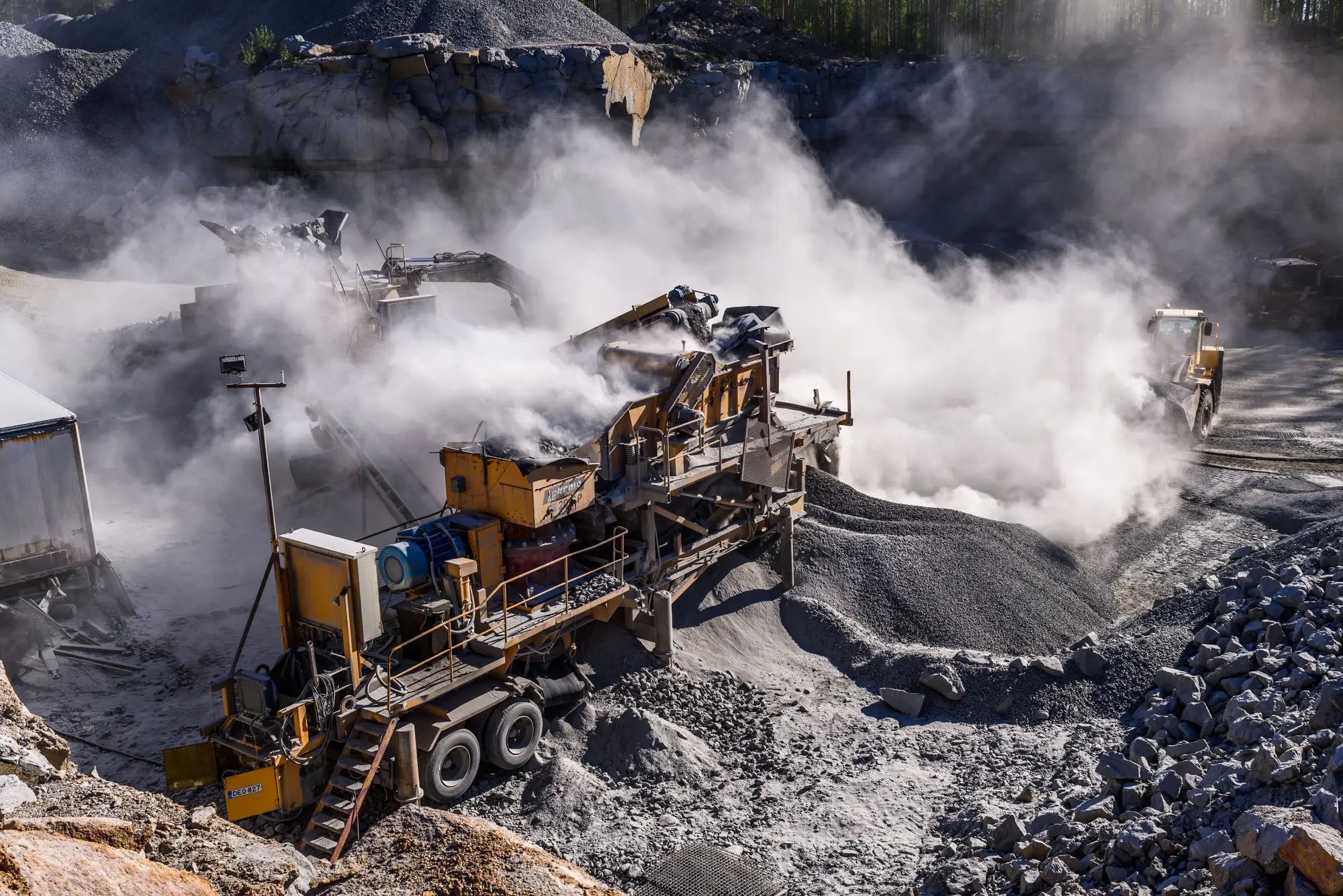 Shapefile vs. marked-up image: which fugitive dust evidence holds up with a regulator
A marked-up image and a shapefile answer different regulator questions. Here's what each one proves after a fugitive dust complaint.
2026-11-23
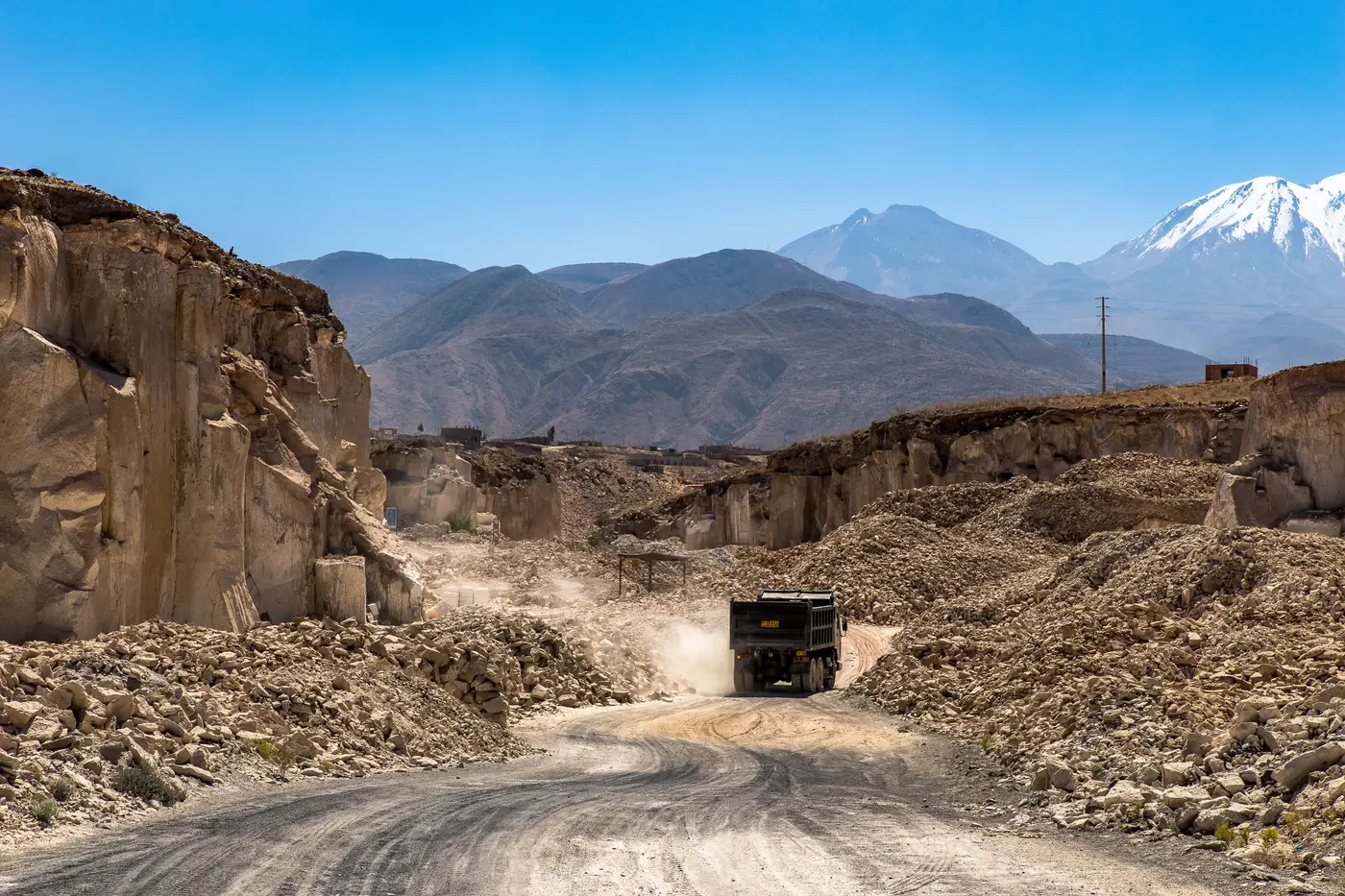 What ground sample distance do you need to see a haul road dust plume?
A practical answer on GSD for fugitive dust detection: what 0.5m vs 2m imagery shows on a haul road or stockpile plume.
2026-11-16
Field notes: the shift supervisor who swore the water truck ran all dayA dust complaint, a logbook that says one thing, and a pass that showed another. Notes from an EHS inspection that didn't go as planned.
2026-11-16
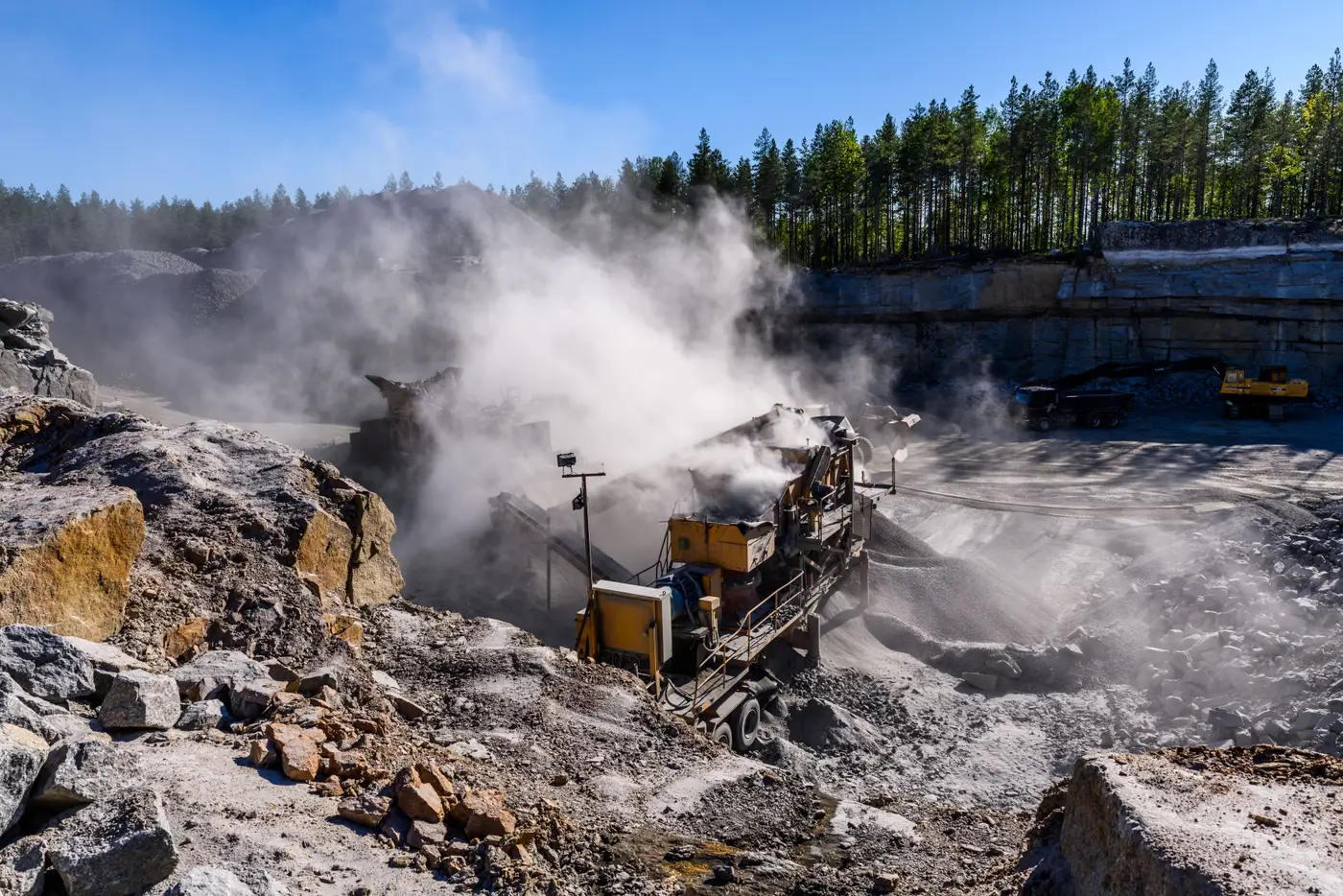 Wind-blown dust vs. haul road dust: reading plume source in satellite imagery
How to tell a wind-blown dust plume from vehicle-generated dust in satellite imagery, by shape, timing and downwind behavior.
2026-11-09
How soon after a dust complaint can you get a satellite image of the plume?What drives satellite tasking turnaround after a fugitive dust complaint, and what actually determines when imagery of the plume lands.
2026-11-09
What is AP-42, and why do mine EHS teams lean on it for dust?AP-42 explained for mine EHS: how haul road emission factors and silt loading drive fugitive dust estimates, and where the method runs out.
2026-11-02
 Field notes: the morning we proved the dust came from the neighbor's quarry
A field note on a dust complaint, a wind log, and the pass of imagery that put the plume where it actually started.
2026-11-02
 Satellite imagery vs. ground observer logs for dust complaint investigations
When a neighbor files a dust complaint, a logbook entry and a satellite pass answer different questions. Here's what each one actually proves.
2026-10-26
Crusher dust vs haul road dust: telling the two apart in a complaint investigationA complaint rarely names the source. Here's how EHS teams separate crusher fugitive dust from haul road dust before they respond.
2026-10-26
How to read a wind rose before you site a dust monitorA field guide to reading a wind rose for predominant wind direction before you place a fenceline or background dust monitor.
2026-10-19
Field notes: the afternoon the wind flipped and the complaint pointed at the wrong pitA field notes account of a dust complaint misattributed after an afternoon wind shift, and what it takes to trace a plume back to its actual source.
2026-10-19
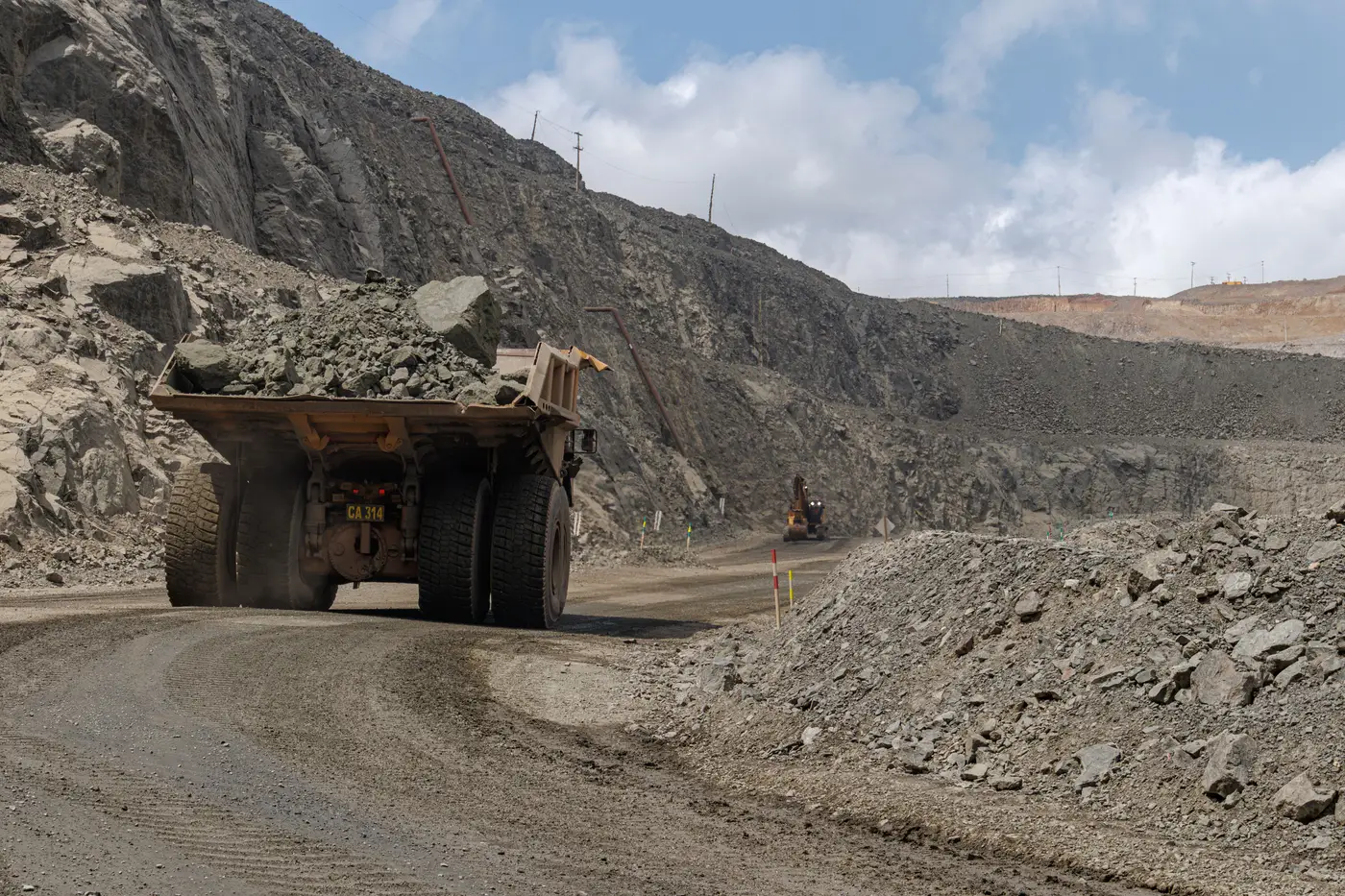 How to calibrate a water truck application rate for haul road dust control
A practical method for setting water truck gallons per mile and cycle time on haul roads, plus why calibration alone won't satisfy a complaint file.
2026-10-14
PM10 vs TSP: what's the difference for a mine air permit?PM10 and TSP aren't the same metric. Here's what each one measures, why your mine permit might require both, and how to back up the monitoring data.
2026-10-14
What is a fenceline monitor, and why do mines install one?A plain explanation of fenceline PM10 monitoring at mine sites: what the instrument measures, why permits require it, and what it can't tell you.
2026-10-13
Chemical dust suppressants vs. water trucks for haul road controlA practical look at water truck cycle time versus magnesium chloride and lignin sulfonate treatments for haul road dust control.
2026-10-13
What is EPA Method 9, and why mine EHS teams still rely on itWhat EPA Method 9 is, how a certified observer reads opacity in the field, and why mine EHS teams still use it for fugitive dust complaints.
2026-10-07
How often should haul roads be watered to control dust?There's no fixed interval that works everywhere. Here's how traffic, surface condition and your water truck cycle set the schedule.
2026-10-07
Building a dust control plan that satisfies a notice of violationWhat inspectors look for in a corrective action plan after a fugitive dust NOV, and the evidence gap that gets plans kicked back.
2026-10-07
How to respond to a fugitive dust complaint from a neighborA dust complaint response procedure for EHS teams: what to log first, how to walk the source, and what to send a regulator after.
2026-10-07
What counts as a fugitive dust event under a state air permitA plain-language look at how state air permits define a fugitive dust event, what trips a reportable threshold, and what you need on hand when one does.